Winter Depression in Germany
Seasonal Affective Disorder (SAD) affects an estimated 3 to 5 percent of people in Germany each winter, according to the Deutsche Gesellschaft für Psychiatrie und Psychotherapie (DGPPN). For expats, that number can feel even more personal. The grey skies arrive in October and rarely lift before March, and if you weren’t raised with that rhythm, the darkness hits differently.
I noticed it properly in Freiburg in 2020, when even that relatively sunny corner of Germany turned cold, overcast, and oddly still. What I’d dismissed as tiredness turned out to be something most of my German neighbours had quietly learned to manage years earlier.
Winter depression in Germany is real, it’s common, and mental health support here, while improving, still carries some friction for expats navigating a foreign system. This guide covers what’s actually happening to your brain during a German winter, how the Herbst-Winter-Verstimmung (seasonal low mood, literally “autumn-winter mood dip”) differs from clinical SAD, and what practical steps actually help. That includes everything from light therapy to finding an English-speaking Psychotherapeut (licensed psychotherapist) through the gesetzliche Krankenversicherung (statutory health insurance).
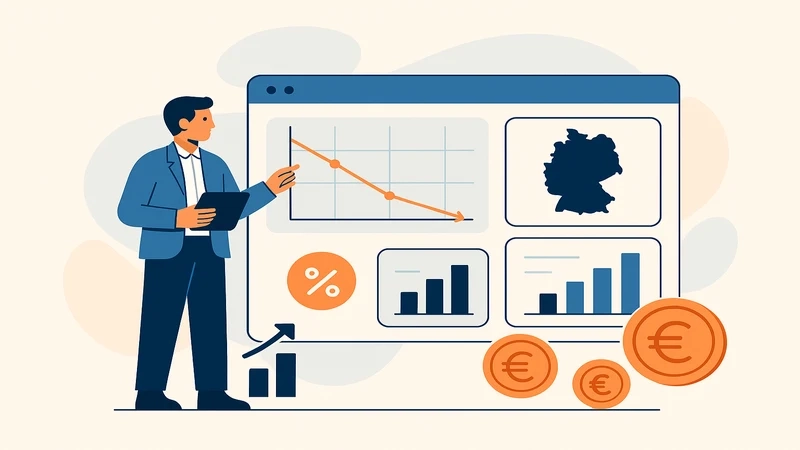
German winters are not just cold. They are genuinely, relentlessly grey, and if you moved here from somewhere with reliable sunshine, that darkness hits differently than you might expect. Winter depression in Germany is a real and recognised condition, clinically known as Seasonal Affective Disorder (SAD), and it affects a significant share of the population each year. According to the Robert Koch Institut, roughly 3 to 5 percent of people in Germany meet the full diagnostic criteria for SAD, with many more experiencing milder seasonal low mood. In practical terms, that means roughly 2.5 to 4 million residents are clinically affected every winter.
The trigger is largely biological. Reduced daylight suppresses serotonin production and disrupts melatonin regulation, which pulls your sleep, energy, and mood in the wrong direction all at once. Germany’s latitude makes this worse than in most of Western Europe.
This guide covers everything from recognising symptoms early to navigating mental health support through the German Krankenversicherung, which is the statutory health insurance system that covers roughly 90 percent of residents. It includes what actually works for expats specifically.
What we like
- Germany has a well-funded public healthcare system that covers psychological treatment
- Light therapy devices are widely available and affordable in German pharmacies
- Winter traditions like Weihnachtsmärkte (Christmas markets) give genuine social anchors
- Urban areas have strong expat communities that reduce isolation
What we did not like
- Getting a Kassenärztlicher Versorgung (panel doctor appointment within the public system) for mental health can take weeks
- Language barriers make finding an English-speaking therapist harder for many expats
- The grey season can stretch from November well into March
Understanding Winter Depression: Why Expats Are Particularly at Risk
Winter depression in Germany is not just ordinary homesickness amplified by cold weather. Seasonal Affective Disorder (SAD) is a clinically recognised subtype of depression triggered by reduced daylight exposure, and according to a study published in the Journal of Affective Disorders, an estimated 2.5% of people in German-speaking countries meet the full diagnostic criteria, with up to 80% experiencing milder recurring symptoms each winter. To put that plainly: if you feel noticeably worse every November through February, you are far from alone.
Expats face this with an extra layer of difficulty. If you moved from a sunnier country, the contrast is genuinely shocking. Germany sits between roughly 47° and 55° north latitude, which means Freiburg, one of Germany’s sunniest cities, still gets fewer than eight hours of daylight in December. Cities further north are bleaker still. Your body’s melatonin regulation, which governs sleep and mood, depends heavily on light exposure. Less light means more melatonin and a flattened cortisol rhythm. That is not a mood preference. That is biology.
What makes expats especially vulnerable is that SAD rarely arrives alone. Language barriers, social isolation, and the cultural adjustment of navigating German bureaucracy all drain the exact psychological reserves you need to cope with a difficult season. This includes the Einwohnermeldeamt (residents’ registration office, where you register your address upon moving), health insurance paperwork, and workplace norms.
Symptoms worth recognising include persistent low mood, excessive sleeping, strong carbohydrate cravings, difficulty concentrating, and withdrawal from social contact. These are distinct from general tiredness and warrant a conversation with a Hausarzt. That is the German term for a GP or general practitioner, and your Hausarzt is your first point of contact in the German healthcare system.
Actionable Steps: Preventing and Managing Winter Depression in Germany
The good news is that winter depression in Germany responds well to treatment, and you have real options, not just vague advice about “staying positive.”
Start with Light Therapy
How do you treat winter depression in Germany? Light therapy is the most evidence-backed first-line treatment for Seasonal Affective Disorder. A study published in Psychiatric Clinics of North America found that 10,000-lux light boxes produced significant symptom improvement in around 50–80% of SAD patients when used for 20–30 minutes each morning. You can buy one from Amazon.de or pick one up at a Rossmann or dm pharmacy. The investment is usually between €30 and €80, and it genuinely makes a difference once Germany’s grey skies settle in for the long haul.
If symptoms are severe or light therapy alone isn’t cutting it, a German Hausarzt (general practitioner) can discuss antidepressant options such as bupropion XL, or refer you to a Psychotherapeut (licensed psychotherapist). Cognitive-behavioral therapy adapted specifically for SAD, known as CBT-SAD, has solid research support. Access through statutory health insurance (gesetzliche Krankenversicherung) is possible, though waiting lists for therapy in Germany can stretch to several months. Vitamin D supplementation is also worth raising with your doctor. According to the Robert Koch-Institut, around 30% of adults in Germany have insufficient Vitamin D levels, with the deficit sharpest in the winter months.
Practical Habits That Actually Help
Getting outside during daylight hours matters more in Germany than almost anywhere else. Even a flat, overcast Freiburg sky in December delivers more natural light than sitting under artificial office lighting all day. A 20-minute lunchtime walk is not a luxury. It is one of the most effective free tools you have.
Physical activity deserves a mention here that goes beyond the generic advice. Germany has a dense network of Sportvereine (registered sports clubs, which operate as non-profit membership organisations) that are genuinely affordable, often charging €5 to €15 per month. Joining one gives you regular structure and social contact at the same time, which matters because social withdrawal is one of the primary ways winter depression deepens.
Vitamin D aside, nutrition plays a supporting role. A diet that regularly includes oily fish, eggs, and fortified dairy can help maintain micronutrient levels that German winters tend to strip away. Comfort food has its place, but balancing it with protein and vegetables keeps your mood more stable than a diet of Käsespätzle alone (delicious as it is).
Plan Before the Low Point Arrives
One thing that genuinely helps with managing mental health in Germany through winter is building structure before November hits. Schedule things to look forward to: Weihnachtsmärkte (Christmas markets), weekend trips, regular calls with family. The expat community on platforms like Meetup and Internations has active groups in most German cities, and showing up to one event, even reluctantly, tends to break the isolation cycle.
If you feel symptoms becoming persistent or interfering with work and daily life, do not wait it out. The German healthcare system has the resources to help, and reaching out to your Hausarzt is the right starting point.
Comparing SAD Treatments Available in Germany
Not every treatment works the same way for everyone, and in Germany you have real options across the spectrum from self-care to clinical intervention. Here is how the main approaches stack up.
| Treatment | Effectiveness | Accessibility in Germany | Key Notes |
|---|---|---|---|
| Light therapy (Lichttherapie) | High | Widely available, OTC lamps from €40–€150 | First-line treatment; minimal side effects per PMC research |
| Antidepressants | Moderate | Prescription via Hausarzt required | Bupropion XL is approved specifically for SAD prevention |
| Psychotherapy (CBT) | Moderate | Available via Kassenärztliche Vereinigung (the regional association coordinating public health referrals) | Cognitive behavioural therapy shows consistent results for seasonal patterns |
| Lifestyle adjustments | Moderate | Accessible to everyone | Regular exercise, daylight walks, and social contact all measurably help |
| Vitamin D supplements | Low–Moderate | Over-the-counter at every Apotheke (pharmacy) | Most useful if you are actually deficient, so it is worth testing first |
According to a 2024 review published via the National Institutes of Health, light therapy remains the most evidence-backed first-line option for SAD, with response rates above 50 percent in controlled studies. Psychotherapy, particularly CBT adapted for seasonal patterns, is increasingly recommended alongside it rather than as a fallback.
One practical note on the German system: your Hausarzt (primary care physician) is the right first stop. They can refer you to a Psychotherapeut through the public Krankenversicherung (statutory health insurance) system, which covers most approved therapies. The wait for a therapist can run several months, so starting that process early in autumn rather than deep in January makes a real difference.
Key Takeaways
Winter depression is common in Germany, especially among expats from sunnier climates. Symptoms tend to peak in November through February. A combined approach, light therapy plus lifestyle changes plus professional support when needed, works better than any single fix. According to the DGPPN, up to 80 percent of people in Germany experience some degree of seasonal mood change each winter. That makes it one of the most under-addressed but widely shared health experiences in the country. If your daily functioning is affected, treat it like any other health issue and get a Kassenärztliche Vereinigung referral without waiting it out.
Frequently Asked Questions
Honestly, the biggest thing I have learned about getting through a German winter is that doing nothing is the worst strategy available. Germany has solid mental health infrastructure, English-speaking therapists are findable, and light therapy costs less than a monthly gym membership. Use what is there.

Jibran Shahid
Hi, I am Jibran, your fellow expat living in Germany since 2014. With over 11 years of personal and professional experience navigating life as a foreigner, I am dedicated to providing well-researched and practical guides to help you settle and thrive in Germany. Whether you are looking for advice on bureaucracy, accommodation, jobs, or cultural integration, I have got you covered with tips and insights tailored specifically for expats. Join me on my journey as I share valuable information to make your life in Germany easier and more enjoyable.