Living in Germany as a South Asian Expat
Vietnamese communities lead Saxony's fastest-growing Asian population, up 34% since 2020. Here's what that means for South Asian expats moving there in 2026.

According to Destatis, around 280,000 people of South Asian origin were living in Germany as of 2024, a number that has grown steadily each year. Germany has quietly become one of Europe’s more significant destinations for Indians, Pakistanis, Bangladeshis, and Sri Lankans. They are drawn by its job market, free universities, and a comparatively straightforward skilled-worker visa pathway under the Fachkräfteeinwanderungsgesetz (Skilled Immigration Act).
When I landed in Freiburg in 2014, I knew almost nobody and understood roughly thirty words of German. What I did not expect was how much of daily life here runs on unwritten rules. Things no visa guide ever mentions.
That gap is exactly what this article fills. Whether you are figuring out the Anmeldung (mandatory address registration at the Bürgeramt), navigating the Krankenversicherung (statutory health insurance), or just trying to find decent basmati rice in a mid-sized German city, the experience of being South Asian in Germany comes with a very specific set of questions. This guide covers the practical and cultural side of that experience honestly, based on over a decade of living here across two cities.

Germany is home to roughly 370,000 people of South Asian origin, according to Destatis 2024 estimates, and that number has grown steadily every year since 2014. Whether you’re arriving from India, Pakistan, Bangladesh, Sri Lanka, or Nepal, the practical questions are strikingly similar: How do I handle the Anmeldung (mandatory address registration)? Will I find community here? Can I actually build a life that feels like mine?
When I arrived in Freiburg in 2014 with two suitcases and more confidence than I had any right to have, I had no reliable roadmap. This guide is the one I wish had existed.
What we like
- Germany offers strong long-term residency and citizenship pathways for skilled migrants
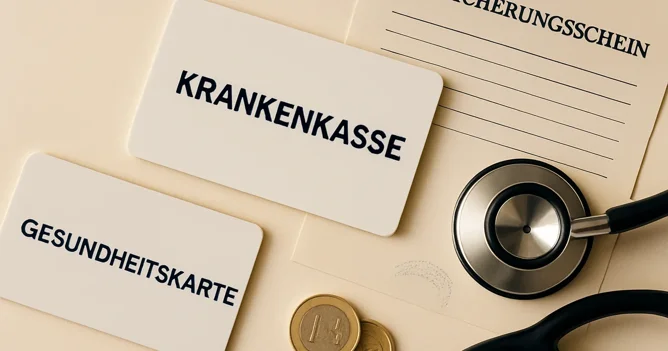
- Public healthcare through Krankenversicherung (statutory health insurance) covers the vast majority of medical costs
- South Asian communities are well-established in major cities, making cultural adjustment easier
- Germany's central location makes travel across Europe genuinely convenient
What we did not like
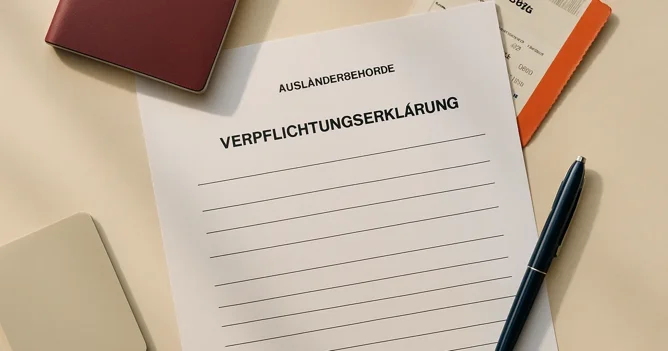
- German bureaucracy is slow, paper-heavy, and rarely available in English
- Language barriers in daily life remain real, especially outside big cities
- Winters in northern and eastern Germany can feel relentlessly grey. That part of the country gets little sunlight for months at a time.
Common Challenges for Expats
Moving to Germany as a South Asian expat means navigating two parallel journeys at once. Germany actively recruits skilled workers through the Fachkräfteeinwanderungsgesetz (Skilled Immigration Act), and according to the Federal Employment Agency (Bundesagentur für Arbeit), STEM vacancies reached a record high in 2026. There are real professional and academic opportunities here. But alongside those opportunities sit equally real friction points.
The bureaucratic side of German life hits first. The Anmeldung (mandatory address registration at your local Bürgeramt within 14 days of moving in) is just the beginning. Opening a bank account, getting health insurance through the Krankenversicherung (statutory health insurance system), and signing a rental contract often form a frustrating loop where each step seems to require the previous one already being done.
Social adjustment runs underneath all of this. German professional culture rewards directness and punctuality in ways that can feel clinical at first. Finding community, locating South Asian grocery stores, and accessing religious spaces takes time and local knowledge.
Do South Asian expats in Germany need to register their address immediately after moving?
Navigating Expat Life in Germany: What the Numbers Actually Mean
South Asians are among the fastest-growing expat communities in Germany right now. According to Destatis, there were approximately 245,000 Indian nationals living in Germany as of 2024, a figure that has roughly doubled over the past decade. Indian full-time workers average €5,359 per month gross, which sits more than 40% above the German median wage, according to The Globalist’s analysis of Federal Employment Agency (Bundesagentur für Arbeit) compensation data. That salary premium is real, but it comes with a fairly steep learning curve on the administrative side.
Getting the Paperwork Right
Most South Asians arrive on a skilled worker visa (Fachkräftevisa), student visa, or family reunification visa. Germany requires all residents to register their address at the local Bürgeramt (citizens’ registration office) within 14 days of moving in. This step, called the Anmeldung, is non-negotiable. Without the Meldebescheinigung (registration certificate) you receive afterward, you cannot open a bank account, sign up for Krankenversicherung (statutory health insurance), or access most public services. The appointment itself takes about 10 to 20 minutes once you have it, but in larger cities like Berlin or Munich, the wait for a slot can stretch to several weeks. Book online as soon as you have a confirmed address.
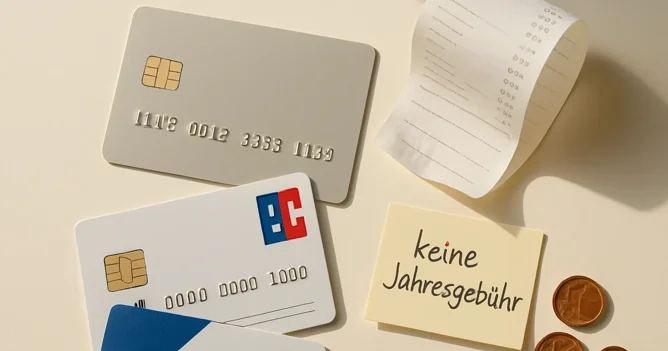
For banking, English-friendly digital options make the initial setup considerably less stressful. Revolut in particular is popular among new arrivals because it requires minimal paperwork to get started.
(Affiliate link — we may earn a small commission at no extra cost to you.)
Living Costs in 2026
How much does it cost to live in Germany as a South Asian expat in 2026? According to Destatis 2026 data, a single person in a major German city can expect to spend roughly €250 to €350 per month on groceries, €60 to €100 on public transport (the Deutschlandticket currently costs €58 per month, and it is a nationwide flat-rate transit pass), and €150 to €250 on utilities. Rent is the biggest variable. Munich and Frankfurt are the most expensive markets, while cities like Leipzig and Dortmund remain significantly more affordable. If you are still deciding where to settle, our comparison of the breaks this down in detail.
Language and Integration
Urban Germany is more English-friendly than it was ten years ago, particularly in tech and university environments. That said, German proficiency matters enormously for anything outside work: dealing with the Krankenversicherung, understanding your Mietvertrag (rental contract), or simply building a life outside the office. Babbel is worth considering for structured, expat-focused learning.
(Affiliate link — we may earn a small commission at no extra cost to you.)
According to the German Academic Exchange Service (DAAD), nearly 49,000 Indian students were enrolled in German universities as of 2023. That student pipeline has created well-established South Asian communities in most major university cities, which makes social integration considerably easier than it might look from the outside. For practical financial guidance once you are settled, the covers everything from tax IDs to investment accounts.
Practical Tips for South Asian Expats
Start learning German before you land. Free resources like the Goethe-Institut’s online materials or apps like Anki can carry you surprisingly far, and locals genuinely warm up when you attempt the language.
The single most urgent admin task on arrival is the Anmeldung (mandatory address registration at your local Bürgeramt). Germany requires all residents to register within 14 days of moving in, and virtually every other bureaucratic step depends on having that registration certificate in hand. This includes opening a bank account, signing up for Krankenversicherung (statutory health insurance), and applying for a Steuer-ID (tax identification number).
Keep your documents in a physical folder, not just on your phone. Germany still runs heavily on paper, and showing up to an appointment without the right Kopie (copy) can cost you weeks. Set reminders for renewal deadlines too. Punctuality is not a cultural preference here. It is an expectation.
Seek out your community early. Most German cities with a South Asian presence have active WhatsApp groups, cultural associations, and annual festivals. These networks do more than ease homesickness. They share practical knowledge faster than any government website does.
According to BAMF (Federal Office for Migration and Refugees), South Asian nationals were among the top five non-European groups completing integration courses (Integrationskurse) in Germany in 2024, reflecting both the scale of the community and the genuine demand for structured language and civic support.
Tools That Actually Help When You’re Getting Started
Two practical resources come up again and again among South Asians settling in Germany, and both are worth knowing about early.
The first is money transfers. Sending money home or splitting payments across borders gets expensive fast with a traditional German bank. Wise handles international transfers at the mid-market exchange rate with transparent fees, which makes a real difference when you’re regularly moving money between Germany and Pakistan, India, or Bangladesh.
Affiliate link. We may earn a small commission at no extra cost to you.
The second is paperwork. German bureaucracy is thorough, and navigating it in a second language is genuinely stressful. Yourxpert connects you with qualified legal and administrative advisors who can assist in English, whether you’re dealing with a lease dispute, a Behörde (government authority) letter you can’t parse, or visa-related questions.
Affiliate link. We may earn a small commission at no extra cost to you.
Live in Germany’s Expertise: Here for Every Expat
This site exists for one reason: to give expats practical, Germany-specific guidance that actually holds up when you’re standing at the Bürgeramt (resident registration office) with the wrong form in your hand. Every guide on liveingermany.de is built on real experience, cross-checked against current official sources including BAMF (Federal Office for Migration and Refugees) and the Bundesagentur für Arbeit (Federal Employment Agency).
The team here includes expats and German locals, which means the advice covers both sides of the experience. Whether you’re trying to understand how many Asians live in Germany today, which is the best city to live in Germany for your situation, or how South Asian communities are settling into cities across the country, the guides are written to answer those questions directly.
Content is updated regularly. According to BAMF’s 2026 migration reports, the landscape for Asian expats in Germany continues to shift, and outdated advice costs people real time and money. That is why sources, statistics, and legal references are reviewed for each update cycle.
FAQs for South Asians in Germany
What is life like for South Asians in Germany?
How many South Asians live in Germany?
What challenges do South Asians typically face?
Do I need to speak German to find a job in Germany?
Are there active South Asian communities in Germany?
Sources
The facts and figures throughout this guide draw on the following sources, all verified as of 2026.
The Globalist – India-Germany Workforce & Salaries
Expatra – Expat Living in Germany
Crown Relocations – Moving to Germany from India
Bertelsmann Stiftung – Indian High-Skilled Migrants in Germany (2017)
Destatis – Foreign Population Statistics 2026
BAMF – Migration and Integration Reports
Germany keeps changing, and so does this guide. If you spot something outdated, the contact page is always open.
How many Asians live in Germany?
What is the fastest growing Asian community in Saxony, Germany?
What is it like being Asian in Germany?
What is the best city to live in Germany for South Asians?
Are there German Asians with dual citizenship?
Is Germany a good country for Asian expats overall?

Jibran Shahid
Hi, I am Jibran, your fellow expat living in Germany since 2014. With over 11 years of personal and professional experience navigating life as a foreigner, I am dedicated to providing well-researched and practical guides to help you settle and thrive in Germany. Whether you are looking for advice on bureaucracy, accommodation, jobs, or cultural integration, I have got you covered with tips and insights tailored specifically for expats. Join me on my journey as I share valuable information to make your life in Germany easier and more enjoyable.