Halloween in Germany – How Germans Celebrate it? [2026]
Germans spend over €50M on Halloween yearly. Here's how 2026 celebrations look across Germany — from pumpkin markets to spooky city events.
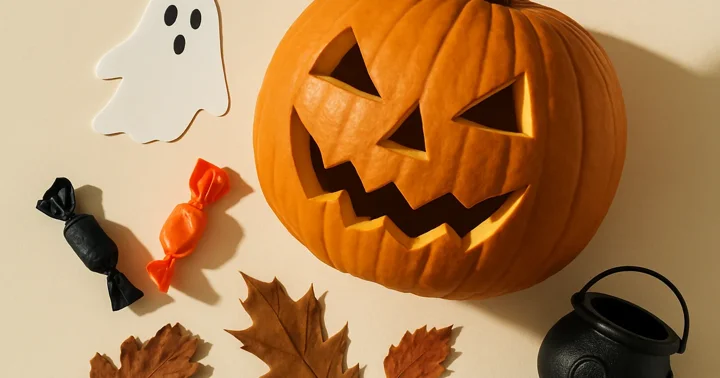
Yes, Germans do celebrate Halloween, and it has grown into a widely observed autumn event across the country since the 1990s. It is not a traditional German holiday, but in 2026 you will find Halloween parties, decorated shop windows, and trick-or-treating children in most German cities on the evening of 31 October. According to Destatis, retail spending around Halloween in Germany has risen steadily over the past decade, reflecting how mainstream the occasion has become.
I noticed this shift firsthand back in 2020 in Freiburg, when our neighbourhood had noticeably more carved pumpkins and costumed kids than I had ever seen in my first years here. It was genuinely surprising for someone who had expected Germany to shrug the whole thing off.
If you are new to Germany and wondering whether to bother planning anything for Halloween, the short answer is yes. The celebration looks different from the American version, and the local flavour is worth understanding before you show up in a full costume to a dinner party that had something more low-key in mind. This guide covers everything you need to know about German Halloween in 2026, from regional traditions to what actually happens on the night.
History of Halloween in Germany
Halloween traces its roots to Samhain, the ancient Celtic festival marking the start of winter on the night between 31 October and 1 November. The belief was simple and unsettling: the boundary between the living and the dead grows thinnest on that night, allowing spirits to cross over.
Germany’s own Halloween story begins not with folklore but with commerce. In 1991, the Carnival season (Karneval) was cancelled across Germany due to the outbreak of the Gulf War, leaving the toy and costume industry without its most important sales window. Dieter Tschorn, a public relations consultant for the German toy industry, later described himself as the Father of German Halloween for the role he played in filling that commercial gap. On 4 September 1994, he issued a press release to German media officially announcing Halloween as a new autumn celebration. The campaign worked. By the late 1990s, pumpkins, costumes, and spooky decorations had become a recognisable part of the German autumn retail calendar.
What we like
- Halloween fills the commercial and social gap left after Karneval ends
- It gave the German toy and costume industry a new major sales season
- The holiday has grown organically since 1994 and now feels genuinely established
- It connects Germany to a wider international cultural tradition
What we did not like
- Halloween in Germany is largely a commercial invention, not a native tradition
- Older generations often view it as an unwelcome American import
- Adoption remains uneven in rural areas, which celebrate it far less than cities
Impact of Halloween on Germany’s Economy
Halloween’s economic footprint in Germany has grown remarkably fast. Germans were spending around 30 million Euros annually on the holiday by 2009, and that figure kept climbing. According to the Handelsverband Deutschland (HDE), Halloween generated approximately 320 million Euros in retail sales in Germany in 2019, making it the third-largest commercial holiday after Christmas and Easter. By 2026, industry estimates place that figure even higher as costumes, decorations, and candy continue driving seasonal spending.
For context, the United States spent around 8.8 billion dollars on Halloween in 2019 alone, so Germany’s market is still comparatively modest. But the growth trajectory here is what matters. The German candy and costume industries in particular have benefited enormously since retailers first pushed the holiday in the late 1990s to fill the commercial gap between summer and Christmas.
It is worth remembering that Halloween’s commercial rise in Germany was not organic. Retailers and the toy industry actively promoted it to boost fourth-quarter sales. That strategy clearly worked.
Halloween – A Public Holiday in Germany?
Halloween is not a public holiday in Germany, but it lands in a stretch of the calendar that already has two official ones nearby. The 31st of October is Reformation Day (Reformationstag), a statutory public holiday in several German states including Brandenburg, Mecklenburg-Vorpommern, Saxony, Saxony-Anhalt, Thuringia, Schleswig-Holstein, and Hamburg. It marks Martin Luther’s 1517 protest against the Catholic Church, so the date carries real historical weight here. Then on the 1st of November comes All Saints’ Day (Allerheiligen), a public holiday in predominantly Catholic states like Bavaria, Baden-Württemberg, and North Rhine-Westphalia.
So Halloween itself gets no official status, but it sits between two genuine public holidays that many Germans already have off work. According to a 2024 survey by the Handelsverband Deutschland (HDE), only around 18% of Germans actively celebrate Halloween. That is a modest share, though Germany halloween retail spending has grown steadily, reaching roughly €430 million in 2024. For most people, the 31st is less about trick-or-treating and more about the Reformation or simply a day off before Allerheiligen.
Halloween Day Celebrations in Germany
Halloween has genuinely taken hold in Germany over the past two decades, especially among younger Germans. Cities across the country fill up with themed parties, decorated shop windows, and costumed kids by the time late October arrives. Germans have also put their own spin on things, which means the Halloween you experience here will feel familiar but slightly different from what you might expect if you’re coming from North America or the UK.
Halloween Costumes and Outfits
German Halloween leans heavily toward the scary end of the spectrum. While in the US you can dress as literally anything and call it a Halloween costume, Germans tend to favour classic horror aesthetics like witches, zombies, skeletons, and vampires. According to a YouGov survey conducted in Germany, only 32% of people reported wearing special Halloween costumes during celebrations, and that enthusiasm was concentrated almost entirely in the 18 to 29 age group. The older generations largely sit this one out. As of 2026, the German costume and party goods market has grown steadily, but according to the Handelsverband Deutschland (HDE, the German Retail Association), Halloween spending still lags well behind Carnival (Karneval/Fasching) in overall costume purchases. Only around 8% of Germans actively shop for Halloween-specific accessories, makeup, or costumes each year.
Pumpkins and Decorations
You will start seeing pumpkins (Kürbisse) piled up outside supermarkets from early September onwards in Germany. They are everywhere by October. Many households use them purely as autumn decoration rather than specifically as Halloween props, carving Jack-o’-lanterns only in the final week of October if at all. Hardware stores, garden centres, and supermarket chains like Rewe and Edeka typically run dedicated Halloween decoration sections from mid-October.
Trick or Treat (Süßes oder Saures)
Trick-or-treating exists in Germany but it is nowhere near as widespread or organised as in North America. Germans call it Süßes oder Saures, which translates roughly as “sweets or sour things” and mirrors the “trick or treat” concept closely. The slightly more formal phrasing you sometimes hear is Süßes, sonst gibt’s Saures (“give me sweets or there will be consequences”). Children tend to visit only houses that have visible Halloween decorations or a pumpkin outside the door. That pumpkin is essentially the signal that the household is participating. Ringing on random doors without any indication is generally frowned upon and will earn you a blank stare rather than a bowl of Haribo. Participation is geographically uneven too. Larger cities and university towns tend to have more trick-or-treating activity than rural areas or smaller towns.
In Freiburg back in 2020, my neighbourhood saw a decent number of kids out on the evening of the 31st, mostly in the streets closer to the university district where younger families and students lived. Quieter residential streets barely noticed Halloween had happened at all. That patchy, neighbourhood-by-neighbourhood pattern is pretty typical across Germany.
Yes, Germans do celebrate Halloween, and it has grown steadily since the 1990s into a mainstream autumn event with parties, costumes, decorated storefronts, and themed menus across most cities. It is not a public holiday in Germany, but that has not stopped it from becoming a genuine fixture on the social calendar.
In 2020, I carved a pumpkin on my kitchen table in Freiburg while the street outside filled with kids in costumes doing a surprisingly organised version of trick-or-treat. I had not expected that in a mid-sized German city, but there it was.
Halloween is celebrated on 31 October each year, with Halloween date Germany 2026 falling on a Saturday. It sits right before Allerheiligen (All Saints’ Day) on 1 November, which is a public holiday in several German states. German Halloween celebrations lean heavily toward adult costume parties, pumpkin-themed food and drinks, and decorated bars and restaurants rather than the door-to-door trick-or-treating common in the United States. According to the German Retail Association (Handelsverband Deutschland), Halloween-related spending in Germany has increased year on year, reflecting how seriously german halloween culture has taken hold. Whether you are new to Germany or have been here a while, this guide covers everything you need to know about how halloween in germany actually works.
Halloween Events and Festivals Across Germany
Germany takes Halloween seriously enough that you don’t need to host anything yourself to have a good time. Across the country, organized events run from late September through early November, ranging from family-friendly pumpkin festivals to full-scale horror experiences at theme parks. The variety is genuinely impressive for a holiday that only took hold here in the 1990s.
Europa-Park Halloween (Rust, Baden-Württemberg)
Europa-Park is Germany’s largest amusement park, and its Halloween season is one of the most elaborate in the country. The park transforms its country-themed zones with gothic decorations, roaming monsters, fog machines, and themed live shows. Pumpkins appear by the thousands, eerie sceneries replace the usual family-friendly backdrops, and actors in costume wander the grounds after dark. It runs across several weekends in October and draws visitors from across the German-speaking world.
Halloween Horror Festival at Movie Park Germany (Bottrop)
Movie Park Germany runs what is arguably the most intense Halloween event in the country. Their annual Halloween Horror Festival turns the park into a full horror experience with scare zones, haunted mazes, and live performances aimed squarely at adults. It typically runs on selected nights throughout October and is not recommended for young children. If you enjoy proper fright-night experiences rather than decorative pumpkins, this is the one to book early.
Burg Frankenstein (near Darmstadt)
The name alone tells you everything. Burg Frankenstein (Frankenstein Castle) near Darmstadt holds one of Germany’s most atmospheric Halloween events, drawing on the legend that Mary Shelley may have been inspired by the real castle during her Rhine journey. Each October, the ruins are transformed with actors, theatrical horror scenes, and guided tours after dark. Tickets sell out fast, so booking well in advance is genuinely necessary.
Ludwigsburg Pumpkin Festival (Blühendes Barock, Ludwigsburg)
The Kürbisausstellung (pumpkin exhibition) at Blühendes Barock in Ludwigsburg is one of the largest of its kind in the world. In 2025, the festival displayed over 450,000 pumpkins in elaborate sculptures and installations. The 2026 edition continues this tradition each autumn. It is less haunted house and more artistic spectacle, which makes it a brilliant option for families or anyone who finds jump scares overrated.
Halloween at Legoland Deutschland (Günzburg)
Legoland runs a Halloween season designed specifically for younger children. Thousands of pumpkin decorations, treasure hunts, and themed activities fill the park throughout October. Children arriving in Halloween costume on 31 October receive free admission, which makes it a popular choice for families with kids under ten.
Ball Bizarre (Dresden)
For adults looking for something darker and more club-oriented, Ball Bizarre in Dresden stages Halloween-themed nights with a theatrical, underground atmosphere. The entrance path is deliberately unsettling, and the events themselves lean toward gothic and alternative aesthetics rather than mainstream party formats.
Mayen Market – Festival of Magic (Rhineland-Palatinate)
The Mayen market near Koblenz blends medieval market traditions with Halloween and autumn magic themes. It sits somewhere between a craft market and a fantasy festival, which makes it an enjoyable alternative for people who want Halloween atmosphere without horror elements.
German Halloween events span everything from toddler-friendly pumpkin exhibitions to genuinely terrifying adults-only horror nights. Whatever your tolerance for fright, there is an event on this list worth adding to your October calendar.
German Halloween vs. American Halloween
The gap between how Germany and the United States approach Halloween is wider than most people expect. They share the date of October 31, but almost everything else diverges.
Costumes and Dressing Up
In the US, Halloween costumes are a cultural institution. People dress up at work, at school, at the grocery store. Colourful, funny, elaborate outfits are completely normal. Germany is far more restrained. Most Germans who do dress up lean toward genuinely scary costumes rather than lighthearted ones, and workplace dressing up is still unusual. If you work in an international office with a high ratio of expats, you might find colleagues joining in. In a traditionally German workplace, probably not. Don’t expect it, and you won’t be disappointed.
Kids and Trick-or-Treating
This is where the contrast is sharpest. Trick-or-treating is a cornerstone of American Halloween, with kids going door to door in organised neighbourhoods with full parental enthusiasm behind them. In Germany, it exists but it’s patchy. Some neighbourhoods participate, especially in larger cities or areas with many international families. Many households simply turn their lights off as a clear signal they’re not playing along. German Halloween, when it involves children at all, tends to be more contained, think school or community events rather than street-wide trick-or-treating.
Parties and the Social Media Effect
Halloween in Germany is predominantly an adult event. Bars, clubs, and private parties are where most of the action happens, and in cities like Berlin, Hamburg, or Cologne, those parties can get genuinely impressive. According to a 2026 survey by the Handelsverband Deutschland (HDE), German consumer spending on Halloween has grown steadily, reaching an estimated €500 million in 2025, still a fraction of the roughly $12 billion Americans spend annually. Social media has played a real role in closing that gap. German influencers producing Halloween content have normalised the holiday for younger Germans in a way that organic cultural adoption never quite managed. The trend is real, but Germany is not about to out-Halloween America anytime soon.
Why is Halloween in Germany Less Popular than in the United States?
The short answer is cultural resistance. According to a 2017 survey cited by The Local, 65% of Germans view Halloween as a foreign celebration rather than a genuine tradition, and 48% of those over 35 feel it actively displaces German customs.
A significant chunk of that criticism centers on St. Martin’s Day (Martinstag), a children’s lantern festival held two weeks after Halloween. Kids walk door to door carrying handmade paper lanterns, singing traditional songs, and collecting sweets. Many Germans see Halloween as a cheap commercial knockoff of something they already do. Honestly, having watched both celebrations in Freiburg in 2020, the Martinstag parades felt far more rooted in the community.
There is also the matter of the Rübe (turnip or beet), which Germans have been carving and illuminating for centuries. The argument goes: why import a pumpkin tradition when the local version already exists?
Beyond nostalgia, many Germans simply find Halloween too commercial. The spending feels forced, the costumes imported, and the whole thing disconnected from any meaningful local context. That skepticism has not disappeared, even as germany halloween events grow in cities, rural areas and older generations remain largely unmoved.
Final Thoughts
So, do Germans celebrate Halloween? Yes, genuinely, though with their own flavour. It is not the full American spectacle, but Germany halloween culture has grown steadily since the 1990s and by 2026 it is a real fixture in most cities. Clubs fill up, kids go trick-or-treating in newer neighbourhoods, and costume shops sell out weeks in advance.
My honest take: Halloween in Germany is best enjoyed without expecting it to feel like an American film. Lean into what’s actually here. A good costume gets you far. Sometimes that means literally, in the form of a free drink at a bar. The 31st of October sits right before Allerheiligen (All Saints’ Day), a public holiday in several German states, so the timing gives the whole weekend a slightly eerie energy that works in your favour.
Halloween date Germany 2026 is Friday, 31 October. Having it land on a Friday means most cities will have events running across the full weekend. Plan ahead, book your spot, and go enjoy it.
Does Germany celebrate Halloween?
Do Germans celebrate Halloween the same way as Americans?
What is the Halloween date in Germany for 2026?
Is Halloween a public holiday in Germany?
Do they celebrate Halloween in Germany with trick-or-treating?
Is it worth celebrating Halloween in Germany as an expat?

Jibran Shahid
Hi, I am Jibran, your fellow expat living in Germany since 2014. With over 11 years of personal and professional experience navigating life as a foreigner, I am dedicated to providing well-researched and practical guides to help you settle and thrive in Germany. Whether you are looking for advice on bureaucracy, accommodation, jobs, or cultural integration, I have got you covered with tips and insights tailored specifically for expats. Join me on my journey as I share valuable information to make your life in Germany easier and more enjoyable.