German CV Tips + Template [Detailed Guide 2026]
German CVs follow strict rules most expats miss. Learn 7 formatting must-dos, grab a free template, and avoid the mistakes that get applications binned.
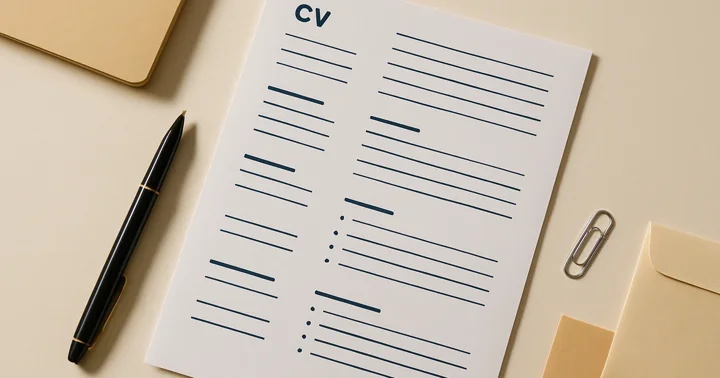
A German CV (Lebenslauf, meaning “life course” in English) follows a specific format that differs significantly from English-language resumes. It typically runs one to two pages, includes a professional photo, and lists work experience in reverse chronological order. Getting this wrong can cost you an interview before a recruiter even reads your qualifications.
Earlier this year, a colleague here in Wolfsburg asked me to look over his application for a local engineering role. His CV was well-written but built on an Anglo-American template. There was no photo, no date of birth, and his skills were buried at the bottom. The hiring manager never called back.
The German job market is competitive. According to the Bundesagentur für Arbeit (Federal Employment Agency), over 700,000 vacancies were registered in Germany in early 2026. Standing out means following local conventions precisely, whether you are applying for a permanent role, an apprenticeship (Ausbildung, meaning a vocational training contract), or even submitting a CV for a German visa application.
This guide covers everything: the correct cv germany format, what to include and what to leave out, how to structure a curriculum vitae in German, and a downloadable template you can adapt immediately.
Quotable fact: A German CV (Lebenslauf) must include a professional photo, a handwritten signature, and a date. These are three elements that would be unusual or inappropriate on a British or American resume.
Want to Write a German CV (Lebenslauf) in English?
Yes, you can write your Lebenslauf (German CV, literally “life course”) in English, and many international employers in Germany will accept it. That said, if you’re applying to a German company where the working language is German, a German-language CV will almost always make a stronger impression. The safe rule: match the language of your CV to the language of the job posting.
The structure of a German CV is more standardised than what you might be used to back home. Recruiters here expect specific sections in a specific order, and deviating from that format can quietly work against you, even if your experience is excellent. According to the Bundesagentur für Arbeit (Federal Employment Agency), a well-structured CV is one of the most common factors cited by German recruiters when shortlisting candidates in 2026.
What we like
- Writing in English is fully acceptable for international companies and startups in Germany
- English CVs save time if you're simultaneously applying to jobs in multiple countries
- Many tech and finance employers in cities like Berlin, Munich, and Hamburg actively prefer English applications
- Avoids translation errors that could misrepresent your qualifications
What we did not like
- German companies with German-only teams may view an English CV as a lack of local commitment
- Some traditional sectors like manufacturing, public administration, and legal still strongly prefer German-language documents
- You lose the chance to demonstrate your German language proficiency through the document itself
The standard Lebenslauf format covers six core areas: personal information, work experience, education, skills, hobbies and interests (optional), and certifications. German recruiters expect your personal information section to include your full name, address, phone number, nationality, and a professional photo. The photo requirement surprises a lot of expats. It is completely normal here and is not considered discriminatory in the German hiring context the way it would be in the UK or US.
Your work experience should run in reverse chronological order, most recent role first, with the company name, dates, job title, and a short summary of responsibilities and achievements for each position. Education follows the same reverse-chronological logic. Your skills section should include language proficiency levels using the CEFR scale. CEFR stands for Common European Framework of Reference for Languages, where A1 is beginner and C2 is mastery. You should also list technical skills and any software relevant to the role.
One thing that genuinely helps: the hobbies section. German hiring culture values the whole person, not just the professional one. Listing a few genuine interests signals that you’re a real human being with a life outside the office, which goes down better than leaving the section blank.
For anyone preparing a CV for a German visa application, the same format applies. Immigration authorities reviewing a Lebenslauf as part of a skilled worker visa file under the Fachkräfteeinwanderungsgesetz look for clear chronology and no unexplained employment gaps. The Fachkräfteeinwanderungsgesetz is Germany’s primary law governing skilled worker immigration.
How a German CV Is Different From an English CV
How does a German CV differ from an English CV? The core differences are the required professional photo, inclusion of personal data such as date of birth and nationality, the Arbeitszeugnis (employment reference certificate) system, and a handwritten signature at the bottom of the document.
In most English-speaking countries, adding a photo to your CV is discouraged or even considered inappropriate. In Germany, a professional headshot is standard and expected. Similarly, English CVs typically run in reverse chronological order starting with your most recent experience. A traditional German CV does the same, but it also includes personal data like date of birth and nationality, which you would never include on a British or American CV.
References work differently too. Providing a reference list is routine in English-speaking hiring cultures. In Germany, references are rarely included in the CV itself. Employers here rely more on official Arbeitszeugnisse (employment certificates, formal written assessments issued by every employer at the end of a contract) from previous employers.
One detail that catches many applicants off guard: a German CV is signed and dated at the bottom. This applies to both job applications and when you are submitting a cv for a german visa or residence permit. It signals that the document is complete and accurate.
| Feature | German CV (Lebenslauf) | English CV (UK/US) |
|---|---|---|
| Professional photo | Required (standard) | Discouraged or prohibited |
| Date of birth | Included | Never included |
| Nationality | Included | Never included |
| Signature and date | Required at bottom | Not used |
| References | Not included; Arbeitszeugnis used instead | Reference list often attached |
| Typical length | 1–2 pages | 1–2 pages |
| Objective statement | Replaced by brief professional summary | Common |
| Language of document | Match job posting language | English |
6 General CV Tips for Germany
Tailoring your CV (Lebenslauf) to the German job market makes a bigger difference than most applicants expect. Here are the points that actually matter.
Lead with keywords that match the job posting. German recruiters scan for field-specific terms fast, and a generic CV gets filtered out before a human ever reads it.
Skip the objective statement. Recruiters hiring in Germany want to know what value you bring to them, not what career goals you have for yourself. A two-to-three sentence professional summary does this better.
On length: a German CV does not strictly need to fit one page, and two pages is perfectly acceptable for candidates with solid experience. What matters is that every line earns its place.
Keep fonts and colors conservative. One or two typefaces, maximum. German employers read design choices as a signal of professionalism, and a cluttered layout reads as carelessness.
Tailor for each application, genuinely. Applying for a finance role? Lead with Excel and financial modelling. Marketing role? Include campaign results and channels you have managed. The Bundesagentur für Arbeit (Federal Employment Agency) consistently reports that specific, role-relevant CVs outperform generic ones in German hiring processes.
Cut anything that is not relevant. According to IW Köln research from 2026, hiring managers in Germany spend an average of under 60 seconds on initial CV screening. Every irrelevant line costs you time you do not have.
My honest final take: the German CV format rewards precision over personality. Give recruiters exactly what they need to say yes, and remove everything that makes them hesitate.
What is the standard German CV format?
Should I write my CV in German or English for German jobs?
Do I need a photo on a CV in Germany?
What should a CV for a German visa application include?
How long should a CV for Germany be?
What is "curriculum vitae" called in German?

Jibran Shahid
Hi, I am Jibran, your fellow expat living in Germany since 2014. With over 11 years of personal and professional experience navigating life as a foreigner, I am dedicated to providing well-researched and practical guides to help you settle and thrive in Germany. Whether you are looking for advice on bureaucracy, accommodation, jobs, or cultural integration, I have got you covered with tips and insights tailored specifically for expats. Join me on my journey as I share valuable information to make your life in Germany easier and more enjoyable.