Dining Out in Germany: Expat Guide
Eating out in Germany has unwritten rules. Know all 9 before you sit down — from tipping to splitting bills — and avoid awkward moments locals hate.
Germany has over 223,000 restaurants, cafes, and eateries according to Destatis, ranging from no-frills Imbiss (street food stands) to Michelin-starred fine dining. Eating out here works very differently from what most expats expect. The rules around reservations, tipping, splitting bills, and even how you signal a waiter are quietly specific to German culture, and getting them wrong in your first weeks can feel genuinely awkward.
When I moved to Wolfsburg in 2022, I confidently walked into a mid-range restaurant on a Friday evening without a reservation, assuming it would be fine. The look I received from the host was polite but unmistakable.
This guide covers everything you need to know about dining out in Germany: German restaurant etiquette, how reservation culture works across casual versus fine dining, what food in German restaurants actually costs in 2026, and the unwritten rules that locals follow without thinking. Whether you’re wondering whether casual restaurants in Germany require reservations, searching for the best restaurants in Munich, or just trying to survive your first Speisekarte (restaurant menu), this is the practical guide I wish I’d had.
Walking into a German restaurant for the first time can feel oddly stressful. Do you seat yourself? Is tipping expected? Why is the waiter not rushing over? These questions tripped me up when I first arrived, and honestly, they trip up most newcomers.
Dining out in Germany has its own rhythm. Once you understand it, eating out here becomes genuinely enjoyable. According to Destatis, Germans spent over €93 billion on food service in 2024, so restaurants are very much part of daily life. The culture just operates on different rules than what most expats expect.
This guide covers everything practical: German restaurant etiquette, how reservation culture works for casual versus fine dining, what food in German menus actually means, tipping norms, and yes, whether do casual restaurants in Germany require reservations (short answer: usually not, but it helps on weekends).
What we like
- Wide variety of cuisines available, from traditional German to excellent Turkish and Italian options
- Portions are generous and prices are reasonable compared to many Western European cities
- Outdoor Biergarten culture makes warm-weather dining genuinely special
- Many restaurants accommodate dietary restrictions more readily than a decade ago
What we did not like
- Service can feel slow or indifferent if you're used to attentive American-style hospitality
- Cash is still expected in many restaurants, especially smaller traditional ones
- Menus in smaller towns are rarely available in English
Expat Challenges: Navigating the German Dining Scene
Dining out in Germany trips up most expats in the same three ways: language, unwritten etiquette, and payment. The menu alone can feel like a vocabulary test. Terms like Vorspeise (starter), Hauptgericht (main course), and Tageskarte (daily specials board) appear constantly, and no one warns you about them beforehand.
Then there’s seating. Many restaurants in Germany expect you to wait at the entrance until a server gestures you to a table. Walking straight in and sitting wherever feels natural to newcomers but can genuinely confuse staff. According to a 2026 Statista consumer survey, over 60% of international visitors to Germany reported unfamiliarity with local restaurant customs during their first visits.
German restaurant etiquette also means you don’t signal for the bill by waving — you catch eye contact and say “Zahlen bitte” (pay please). Separate bills, known as getrennt zahlen (splitting the bill individually), are completely normal and accepted without awkwardness. Cash is still widely expected; the Deutsche Bundesbank reported in 2026 that cash remains the preferred payment method in German restaurants for roughly 51% of transactions.
None of this is difficult once you know it. It just takes one or two meals to click.
Do casual restaurants in Germany require reservations?
Mastering Meals: Practical Guidance & Cultural Know-How
Dining out in Germany follows its own logic, and once you understand it, the whole experience clicks into place. Here is what actually matters.
Seating, Reservations, and Shared Tables
Walk into most casual restaurants in Germany and you seat yourself. There is no host waiting to escort you. Find a free table and sit down. If the place is packed, a staff member may ask whether you mind sharing a table with strangers, which is completely normal and not considered awkward. You can also ask others directly: “Ist hier noch frei?” (Is this seat free?)
For groups of four or more, making a reservation is genuinely worth doing, especially on weekends or at popular spots. Germany’s restaurant reservation culture varies sharply between casual and fine dining. A neighbourhood Gasthaus (traditional inn or tavern) rarely requires a booking; a Michelin-starred restaurant almost certainly does. Casual restaurants in Germany do not typically require reservations for couples or small groups on weekdays.
Ordering and the Speisekarte
How much does eating out in Germany cost in 2026? According to Destatis, the average spend per person at a mid-range sit-down restaurant in Germany is roughly €15 to €25 for a main course with a drink, though prices vary significantly between cities. A Mittagstisch (lunchtime daily special, usually two courses) typically runs €8 to €13 and represents the best-value option for most diners.
The menu is called the Speisekarte (the full menu card listing all available dishes). This matters because “Menü” in German refers to a fixed-price set meal, not the menu itself. Order the Menü and you are getting two or three courses at a set price, which is often excellent value at lunch. Vorspeise means starter, Hauptgericht is the main course, and vegetarisch marks vegetarian options.
Waitstaff in Germany generally do not hover. They will not check on you every few minutes. When you are ready to order, make eye contact or raise a hand. When you want the bill, say “Die Rechnung, bitte.” The check will not arrive uninvited.
Water, Drinks, and What to Expect
Tap water is not served automatically and ordering it can raise eyebrows. Ask for “stilles Wasser” (still mineral water) or “Mineralwasser” (sparkling), and you will be charged for the bottle. Larger bottles are typically better value. German beers and regional wines are reliable choices and vary considerably by region.
Tipping and the Bill
How much should you tip when dining out in Germany? The standard is rounding up to the nearest euro or adding roughly five to ten percent. There is no fixed rule, and tipping is expected but not obligatory. You tell the server your total directly rather than leaving cash on the table. If your bill is €18.40, say “Mach es zwanzig” (make it twenty). For exceptional service, fifteen percent is appreciated. For genuinely poor service, leaving nothing is considered acceptable.
Restaurant Types at a Glance
Food in German cities spans an enormous range. According to Destatis, food and non-alcoholic drink prices in German restaurants rose by 5.4 percent in 2024, making the midday Mittagstisch (daily lunch special) even better value than it already was. The table below shows the main restaurant types you will encounter.
| Restaurant Type | What It Is | Typical Price Range (per person) | Reservation Needed? |
|---|---|---|---|
| Gasthaus / Wirtshaus | Traditional inn serving hearty regional German food | €10–€20 | Rarely, except weekends |
| Imbiss | Standing snack counter, fastest and cheapest option | €2–€7 | No |
| Döner Kebab shop | Ubiquitous and reliably good; often open late | €4–€8 | No |
| Café | Coffee and light meals throughout the day | €5–€15 | No |
| Biergarten | Outdoor beer garden, often with food stalls or table service | €8–€18 | Recommended in summer |
| Fine dining / Michelin | Upscale tasting menus and à la carte | €60–€150+ | Always required |
Do casual restaurants in Germany require reservations?
What is the difference between Speisekarte and Menü in German?
Practical Tips for Expats
A few small habits make dining out in Germany significantly smoother, especially when you’re still finding your footing.
Start with a handful of essential German phrases. “Ein Tisch für zwei, bitte” (a table for two, please) gets you a table for two. “Ich hätte gern…” (I would like…) lets you order without pointing awkwardly at the menu. “Die Rechnung, bitte” (the bill, please) brings the bill. Simple phrases, but Germans genuinely appreciate the effort.
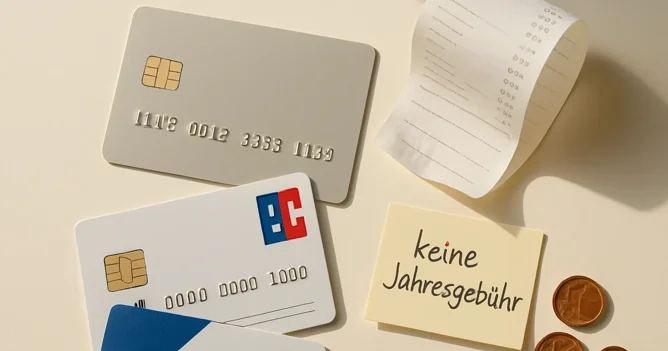
Payment is where expats get caught off guard most often. Germany remains heavily cash-oriented. According to the Deutsche Bundesbank, cash was used in 51% of point-of-sale transactions in Germany as recently as 2024. Always ask “Nehmen Sie Karte?” (Do you accept card?) before you order, and carry a few euros as backup. It saves a genuinely awkward moment.
Opening hours also catch people out. Many restaurants close between roughly 2pm and 5pm, and some take a full day off mid-week. Tischgemeinschaft is the practice of sharing a table with strangers, which is perfectly normal in busier spots, so don’t be surprised if someone sits down across from you without asking.
Do casual restaurants in Germany require reservations?
Affiliate link — we may earn a small commission at no extra cost to you. One thing I’d genuinely recommend is downloading the app of whichever payment method you prefer before you go out. I’ve had evenings in Wolfsburg where a restaurant accepted neither my EC card nor Visa, and if I hadn’t had cash on me, it would have been embarrassing. The habit of keeping a €20 note in your wallet sounds old-fashioned until the moment it saves you.
Tipping works differently here too. There’s no standard percentage like in the US or UK. Most people round up or add a small amount on top, and you say the total you want to pay when the server comes with the bill rather than leaving money on the table afterward. So if your meal comes to €17.50 and you want to tip, you say “Zwanzig, bitte” and they give you the change from whatever you hand over. It feels awkward the first time, then completely natural after that.
If you have dietary restrictions, learning those specific words in German is worth the ten minutes it takes. “Vegetarisch” (vegetarian) and “vegan” are widely understood now, but “laktosefrei” (lactose-free) or “glutenfrei” (gluten-free) will serve you better than trying to explain in English at a busy restaurant on a Saturday night.
Finally, don’t be put off by servers who seem brusque or inattentive. German restaurant culture is simply different. Servers don’t hover, and that’s intentional. You’re not being ignored, you’re being given space. When you want something, make eye contact or raise your hand slightly. Once you understand that rhythm, eating out here becomes genuinely relaxed rather than frustrating.
Tools and Resources Worth Having
If dining out in Germany regularly sparks an interest in cooking German food at home, or you want to stock up on regional specialities between restaurant visits, Lidl is genuinely one of the best places to start. They stock German staples like Sauerkraut, regional cheeses, Schwarzbrot, and seasonal Bavarian snacks, all priced well below what you’d pay at a specialty store, and the quality is consistently solid.
According to Destatis, German households spent an average of €352 per month on food and non-alcoholic drinks in 2024, making budget-friendly grocery options genuinely useful for anyone managing costs while still eating well. Lidl helps close that gap.
Affiliate link — we may earn a small commission at no extra cost to you.
For more on managing everyday costs in Germany, the banking and finances section of this site covers the practical side of expat budgeting.
Live in Germany’s Expertise: Your Partner in Expat Life
Dining out in Germany gets easier once you understand the unwritten rules, and that’s exactly what liveingermany.de exists to help with. Whether you’re puzzling over German restaurant etiquette, wondering whether do casual restaurants in Germany require reservations, or just trying to decode food in German on a handwritten Tageskarte (daily specials board), this site has your back.
Every guide here is written from real experience living in Germany, not scraped from a content template. According to Destatis, Germany had over 74,000 restaurants and food service businesses operating as of 2024. That’s a landscape that rewards people who know how it works and frustrates those who don’t. In practical terms: knowing that cash is still used in over half of all German restaurant transactions, and that splitting the bill is completely routine, will save you more stress in your first month than any restaurant app.
Beyond dining out in Germany, liveingermany.de covers the full expat journey: banking, housing, health insurance, and the daily logistics that no one warns you about before you land. The content is updated for 2026 and reflects how Germany actually operates today.
Sources
The information in this guide draws on a mix of official German sources and practical expat resources. Where statistics appear, they reflect 2026 data from Destatis (Germany’s Federal Statistical Office) and the Bundesagentur für Arbeit (Federal Employment Agency). For cultural context and dining etiquette, the following resources were consulted:
- Tips for Dining Out in Germany | DMR Travel
- What You Need to Know to Dine in Germany | Speechling Blog
- German Food Culture | Study in Germany
- Dining Etiquette in Germany | YouTube
- Germany and Food | AmySEO
For further reading on living and settling in Germany, the section of this site covers practical financial topics every expat should know.
FAQs: Dining Out in Germany
What is dining culture like in Germany?
Do casual restaurants in Germany require reservations?
What is the tipping norm when dining out in Germany?
How do I say common food-related phrases in German?
What are the best restaurants in Munich, Germany?
What is Germany’s restaurant reservation culture for casual vs fine dining?
Eating out in Germany rewards a little preparation and genuine curiosity. Learn a handful of phrases, understand that splitting the bill is perfectly normal, and don’t be thrown if a stranger sits down at your table during a lunch rush. These aren’t awkward moments. They’re just how things work here. If there’s one practical tip I’d leave you with: always carry some cash. According to the Deutsche Bundesbank, card acceptance has improved significantly by 2026, but plenty of neighbourhood restaurants and traditional Wirtshäuser (traditional taverns) still run cash-only. Finding that out after a meal is an experience you only need once.

Jibran Shahid
Hi, I am Jibran, your fellow expat living in Germany since 2014. With over 11 years of personal and professional experience navigating life as a foreigner, I am dedicated to providing well-researched and practical guides to help you settle and thrive in Germany. Whether you are looking for advice on bureaucracy, accommodation, jobs, or cultural integration, I have got you covered with tips and insights tailored specifically for expats. Join me on my journey as I share valuable information to make your life in Germany easier and more enjoyable.