Budget Travel Tips for Expats in Germany
You can travel Germany for under €50/day. These 11 expat-tested tips cover trains, food, and free stays most tourists never find.
A week of budget travel within Germany costs roughly €300–500 per person when you plan smart, covering trains, accommodation, food, and city sightseeing without cutting every corner. That figure drops further if you lean on Germany’s well-structured public transport and know which passes actually save money versus which ones are just good marketing.
Back in 2018 in Freiburg, I tried to piece together a long weekend trip to Berlin on a tight budget and genuinely had no idea where to start. I overpaid for a train, booked the wrong accommodation, and still had a great time. That tells you something about how forgiving Germany is as a destination even when you get it wrong.
This berlin münchen budget travel guide covers the full picture: trains, flights, accommodation, food, city passes, and the small habits that quietly drain your travel budget if you ignore them. Whether you’re looking at flights to frankfurt germany as your entry point or planning a multi-city rail trip, the strategies here are built for expats who already live here and want to see more of the country without spending like a tourist. According to Destatis, domestic overnight trips by residents in Germany reached over 100 million in 2024, so you’re far from alone in wanting to explore.

Germany looks expensive on the surface. The train stations are immaculate, the cities are well-organised, and everything seems to run with Swiss-like precision. That alone doesn’t exactly scream “budget destination.” But once you know how the system works, budget travel in Germany is genuinely achievable, even on an expat salary.
Back in 2018 in Freiburg, I started piecing together how to explore Germany without draining my account every weekend. What I discovered changed how I thought about the whole thing. According to Destatis, domestic travel costs in Germany rose roughly 4.2% in 2025, yet smart planning can still keep a 1 week trip to Germany cost well under €500 all-in. That’s real money back in your pocket.
This guide covers everything from budget travel to Germany’s major cities like Berlin and München, to finding cheap flights to Frankfurt, to cutting accommodation and transport costs once you’re already here. Whether you’re planning a berlin münchen budget travel guide 2026 style city-hopping trip or a quiet regional escape, the same principles apply.
What we like
- Germany's rail and regional bus networks make car-free travel genuinely practical
- The Deutschlandticket (€58/month in 2026) unlocks unlimited regional transport nationwide
- Free and low-cost attractions exist in almost every major German city
- Travelling as an expat already living here cuts flight and transfer costs significantly
What we did not like
- Accommodation in cities like Munich and Hamburg can eat your budget fast if unplanned
- Booking last-minute in peak season rarely works in your favour here
- Language barriers at smaller regional stations can complicate spontaneous travel
Common Challenges for Expats
Budget travel in Germany is genuinely possible for expats, but the learning curve is real. When you first arrive, the transport system alone feels like a puzzle. The difference between a Einzelfahrschein (single-journey ticket), a regional day pass, and a Fernverkehr (long-distance rail service) booking is not obvious, and getting it wrong means overpaying consistently.
Accommodation is the other pressure point. According to Destatis, average hotel prices in German cities rose roughly 8% between 2023 and 2025, with Berlin and Munich leading the increase. For expats stretching a modest budget, that matters. The hostel and short-stay apartment market exists, but navigating it without local knowledge often leads to poor choices in expensive locations.
Then there is the psychological side. Every euro feels loaded when you are still finding your footing in a new country, managing a German bank account, and figuring out what a reasonable cost of living actually looks like here.
The good news is that Germany’s public infrastructure genuinely works in your favour once you understand it. The Deutschlandticket is a €58/month flat-rate transit pass valid across almost all local and regional transport nationwide, and it changed the expat way of travel completely. Pair that with free museum days, well-priced hostels, and a strong culture of outdoor recreation, and budget travel in Germany stops feeling like a compromise. In practical terms, a solo expat using the Deutschlandticket and staying in hostel dorms can travel between any two German cities for under €80 total per trip.
Budget Travel in Germany: Step-by-Step Guidance for Expats
Getting around Germany cheaply comes down to three things: knowing which transport passes actually save you money, picking accommodation that fits your style without draining your budget, and eating well without defaulting to tourist-trap restaurants. Here is how to handle each one.
Transport: Know What Your Pass Covers
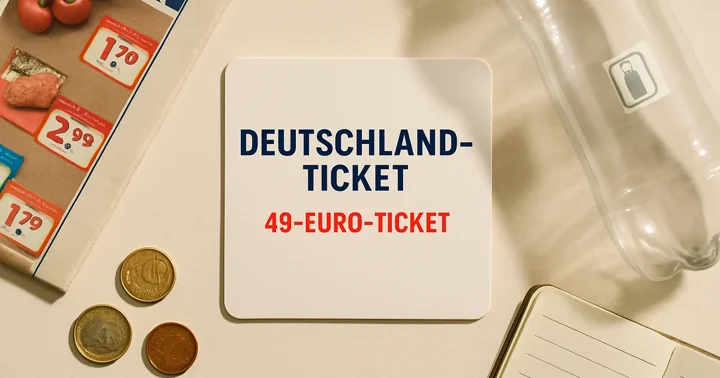
How much does public transport cost for budget travel in Germany? As of 2026, the Deutschlandticket (Germany’s nationwide flat-rate public transport pass) costs €58 per month and covers unlimited travel on regional trains, S-Bahn (urban rail network), U-Bahn (underground metro), trams, and buses across the entire country. For expats living here long-term, it pays for itself within a few trips between cities. One thing worth being clear about: the Deutschlandticket does not cover ICE (Intercity-Express, Germany’s high-speed long-distance rail), IC, or EC intercity express trains. Those require a separate ticket, and they can be expensive if you book late.
For long-distance travel where the Deutschlandticket falls short, FlixBus is the obvious budget fallback. Intercity routes often run under €15 if you book a week or two ahead. Regional trains covered by the Deutschlandticket can also work for medium-distance trips if you have time and are not racing a schedule.
Within cities, short journeys on U-Bahn or tram typically cost €2 to €3. If you are visiting Berlin specifically, the Berlin WelcomeCard covers 48 hours of unlimited transit from €26.90 in 2026, and berlin ticket prices for single journeys on the BVG (Berliner Verkehrsbetriebe, Berlin’s public transport operator) network are among the better-documented in Germany for tourists planning budgets. For last-mile flexibility, apps like Tier and Lime cover e-scooters and bike sharing in most major German cities.
| Transport Option | Best For | Approximate Cost (2026) | Covers ICE? |
|---|---|---|---|
| Deutschlandticket | Monthly regional travel, city-hopping | €58/month | No |
| DB Sparpreis (advance fare) | Long-distance bookings made early | From €9–€39 | Yes |
| FlixBus | Budget intercity routes | From €5–€15 | N/A |
| Berlin WelcomeCard | Short Berlin visits with transit | From €26.90 (48hr) | No |
| Regional Day Pass (Tageskarte) | Single-day regional exploration | €25–€40 | No |
Accommodation: Where the Real Savings Hide
How much does accommodation cost for budget travel in Germany? Hostel dorm beds run roughly €15 to €35 per night even in Munich and Berlin. Budget hotels for a basic double room typically fall between €70 and €120 per night. The often-overlooked middle ground is private rooms through Booking.com or Airbnb in smaller towns outside the main tourist centres, where you can regularly find something decent for under €60.
For anyone planning a full week of travel, bundled packages that include accommodation and basic transport start around €110 per day and can reduce the mental load of booking everything separately. According to Destatis, accommodation costs in Germany’s major cities rose by approximately 4% between 2024 and 2026, which makes advance booking more valuable than it used to be.
Food: Eating Well Without Overthinking It
How much does food cost for budget travel in Germany? A sit-down lunch at a mid-range café costs €8 to €14. Dinner at a proper restaurant runs €15 to €30 depending on the city. The faster and cheaper route is the one most locals actually use: bakeries, Döner (Turkish flatbread kebab) stands, currywurst kiosks, and supermarket deli counters at Aldi, Lidl, Rewe, or Penny. A Döner in most German cities still comes in under €7 and keeps you going for hours.
For anyone staying somewhere with a kitchen, buying from supermarkets makes a significant difference over the course of a week. The cost difference between self-catering even two or three meals per day versus eating out entirely can easily cover a FlixBus ticket or two.
What does a 1 week trip to Germany cost on a tight budget?
Is the Deutschlandticket worth buying as a tourist visiting Germany?
Practical Tips for Expats Travelling on a Budget in Germany
The Deutschlandticket (the flat-rate monthly public transport pass, valid on regional trains and local transit nationwide) is genuinely one of the best tools available to expats. At €58 per month in 2026, according to the Federal Government’s transport announcements, it pays for itself fast if you travel more than twice a month between cities. Buy it before your trip starts, not at the station.
Supermarkets like Aldi, Lidl, and Rewe are your best allies for keeping daily costs down. Cooking even a few meals yourself rather than eating out every day can meaningfully reduce your 1 week trip to Germany cost. Germany’s outdoor spaces, Christmas markets, and many smaller museums are either free or very cheap, so mixing those with one or two paid highlights keeps your budget balanced without sacrificing the experience.
One thing worth knowing specifically for expats: managing your finances with a German-friendly digital account makes cross-city payments and card use much smoother.
Need an English-friendly bank account while travelling through Germany? Open your account with N26, smart digital banking built for expats. Learn more. (Affiliate link. We may earn a commission at no extra cost to you.)
Why Trust liveingermany.de? Our Mission and Expertise
This site exists because navigating Germany as an expat is genuinely hard, and generic travel content rarely helps. Every guide here is written from real experience living, working, and travelling within Germany. Nothing here is scraped from tourism boards or repackaged from competitor articles.
The focus has always been practical and Germany-specific. Whether that means explaining how the Deutschlandticket (the €58/month nationwide transit pass) works in practice, or breaking down what a realistic 1 week trip to Germany cost looks like city by city, the goal is accuracy you can actually act on. Budget travel in Germany rewards people who know the system. This site exists to give you that knowledge.
Beyond budget travel germany tips, liveingermany.de covers everything from health insurance (Krankenversicherung, Germany’s statutory or private health cover) to finding a flat, with guides updated for 2026 data throughout. If this article helped you plan smarter, the finance and services sections are worth bookmarking too.
Final Thoughts
Budget travel in Germany genuinely rewards the prepared traveller. The country’s rail network, regional day tickets, and the sheer volume of free museums, parks, and public spaces mean you can move through cities like Berlin and Munich without spending recklessly. A realistic 1 week trip to Germany cost in 2026 sits somewhere between €400 and €700 all-in, depending on accommodation choices and how often you eat out. According to current Destatis consumer price data, food and transport remain among Germany’s more manageable travel expenses compared to Western European peers.
The expats way of travel here isn’t about cutting every corner. It’s about knowing the system: booking flights to Frankfurt early on low-cost carriers, using the Deutschlandticket (the €58/month nationwide public transport pass) for regional hops, and leaning on free cultural offerings instead of paid tours. Those habits compound quickly across a week. According to Destatis, Germany’s domestic tourism sector saw over 100 million overnight stays by residents in 2024, meaning the infrastructure for affordable internal travel is more developed here than almost anywhere else in Europe.
If this berlin münchen budget travel guide 2026 has done its job, you’re leaving with a practical framework, not just inspiration. Germany is one of the most rewarding countries to explore on a sensible budget. You just need to know where to look.
Need affordable data while you travel? Lebara offers flexible, English-friendly SIM options built for expats and travellers. Get started. (Affiliate link — we may earn a commission at no extra cost to you.)
All advice and prices reflect 2025–2026 conditions. For further reading: GetYourGuide, Studying-in-Germany.org, Nomadic Matt, TourRadar. And if you’ve been living here a while, like I have, you start to realise that Germany quietly rewards the patient traveller. The infrastructure is there. The free stuff is genuinely good. You don’t need to spend big to feel like you’ve seen something real.
Safe travels, and enjoy the Brezel.
Frequently Asked Questions
These are the questions I see come up most often from expats planning budget trips around Germany.
How much does a 1 week trip to Germany cost on a budget?
What is the cheapest way to travel within Germany?
How do I find cheap flights to Frankfurt, Germany?
What are typical Berlin ticket prices for attractions in 2026?
Is budget travel in Germany realistic for expats without a car?
Where can I find a Berlin–München budget travel guide for 2026?
Budget travel in Germany is not about sacrificing the experience. It is about knowing which systems to use and when to book. The Deutschlandticket alone changed how I explore the country, and pairing it with free cultural attractions and supermarket picnics means you spend money on things that actually matter. Start with one weekend trip, get comfortable with the DB app, and the rest follows naturally.

Jibran Shahid
Hi, I am Jibran, your fellow expat living in Germany since 2014. With over 11 years of personal and professional experience navigating life as a foreigner, I am dedicated to providing well-researched and practical guides to help you settle and thrive in Germany. Whether you are looking for advice on bureaucracy, accommodation, jobs, or cultural integration, I have got you covered with tips and insights tailored specifically for expats. Join me on my journey as I share valuable information to make your life in Germany easier and more enjoyable.