A Guide to Shopping in Germany
Shopping in Germany follows strict rules most expats don't expect. Here are 9 things I learned after 10+ years living here.
Shopping in Germany: The Complete Expat Guide to Supermarkets, Markets and More
Germany has over 38,000 supermarkets and grocery stores nationwide, according to Destatis, plus thousands of weekly Märkte (open-air markets), discount retailers, and clothing chains that make it one of Europe’s most varied shopping destinations. Whether you’re after cheap everyday groceries, quality clothes, or the best souvenirs from Germany to take home, knowing where to look makes a real difference.
I learned this slowly. In 2025, after a few months of defaulting to the Kaufland nearest to my flat in Wolfsburg, a colleague pointed me toward the Saturday market at Wolfsburg city centre and a Netto two streets over. My weekly grocery bill dropped noticeably. That kind of local knowledge takes time to build, and that’s exactly what this guide is for.
Shopping in Germany works differently from what most expats expect. Stores close earlier than in the UK or US, Sundays are almost entirely off-limits for retail, and the cheapest supermarket in Germany is not always the one with the biggest sign out front. This guide covers all of it: supermarkets, discount stores, clothing shopping in Germany, markets, and the best places to shop in Germany depending on your budget and your city.

Shopping in Germany has a learning curve. You show up without a bag, the cashier stares at you, and suddenly 47 cents for a plastic tote feels like a personal failure. For most expats, navigating German supermarkets, decoding opening hours, and figuring out where to actually find good clothes shopping in Germany takes a few bewildering weeks.
This guide covers everything from the cheapest supermarket in Germany to the best places to shop in Germany for souvenirs, clothes, and everyday essentials. According to Destatis, German household consumer spending reached over €1.8 trillion in 2024, which tells you this is a serious shopping culture with its own rules. Understanding those rules makes daily life considerably less stressful.
What we like
- Wide range of discount supermarkets keeps grocery bills genuinely low
- Strong consumer protection laws and straightforward return policies
- Excellent public transport makes reaching shopping districts easy
- Sunday closures force a slower pace that most expats grow to appreciate
What we did not like
- Almost everything closes on Sundays, including most supermarkets
- Card payments are still refused at many smaller shops and markets
- Checkout speed expectations can feel intimidating for newcomers
Expat Challenges and the Everyday Reality of Shopping in Germany
What is the biggest culture shock when shopping in Germany? For most expats, it is not the language. It is standing outside a locked supermarket on a Sunday afternoon wondering where dinner is coming from. German law (the Ladenschlussgesetz, or shop closing law) prohibits most retail stores from opening on Sundays, full stop. Petrol stations and train station shops are exceptions, but your nearest Aldi or Rewe? Closed.
Cash is another adjustment. Despite gradual progress, Germany remains heavily cash-dependent. According to the Deutsche Bundesbank’s 2024 Payment Behaviour Study, cash was still used in roughly 51% of all point-of-sale transactions in Germany as recently as 2023. Showing up at a market stall or smaller boutique with only your card is a genuine risk.
Then there’s Saturday. Because Sunday shopping is off the table entirely, Saturday becomes the busiest retail day of the week by a significant margin. Every checkout queue in every city feels twice as long.
Bring your own bag, too. Single-use plastic bags at the Kasse (checkout counter) either cost extra or aren’t offered at all, a policy that’s been tightening across German retailers for years.
Once you understand these rules, shopping in Germany stops feeling obstructive and starts feeling deliberate.
Practical Guidance: How to Shop Like a Local (and Save Money)
Shopping in Germany is genuinely straightforward once you know the unwritten rules. The system rewards preparation, and once you get the hang of it, you’ll move through the Supermarkt (supermarket) faster than most locals.
Know Your Supermarkets
How much does a weekly grocery shop cost in Germany? According to Destatis, the average German household of two spends roughly €350 to €450 per month on food and non-alcoholic drinks, though switching to discount chains can bring that figure down considerably. The cheapest supermarket in Germany depends on what you’re buying, but for everyday staples, Aldi and Lidl consistently come out on top. Both are discount chains (Discounter, meaning budget-focused retailers with lean product ranges) with strong private-label ranges that rival branded goods in quality. Netto and Penny sit in a similar bracket, though their store quality can vary more by location. Edeka is mid-range and excellent for fresh produce and regional products. Rewe tends to be slightly pricier but offers modern stores, solid organic sections, and self-checkout terminals that make the whole process faster.
Here’s a rough comparison of the main options:
| Supermarket | Price Level | Strengths |
|---|---|---|
| Aldi / Lidl | Budget | Private-label quality, consistent nationwide |
| Netto / Penny | Budget | Basic range, wide coverage |
| Edeka | Mid-range | Fresh produce, regional variety |
| Rewe | Mid to premium | Organic range, self-checkout, central locations |
According to Destatis, food prices in Germany rose by around 2.1% in 2025, making the discount chains even more attractive for budget-conscious shoppers in 2026. The difference between doing a weekly shop at Rewe versus Aldi can easily be €30 to €50 for a household of two.
The Bag Rule and Why It Matters
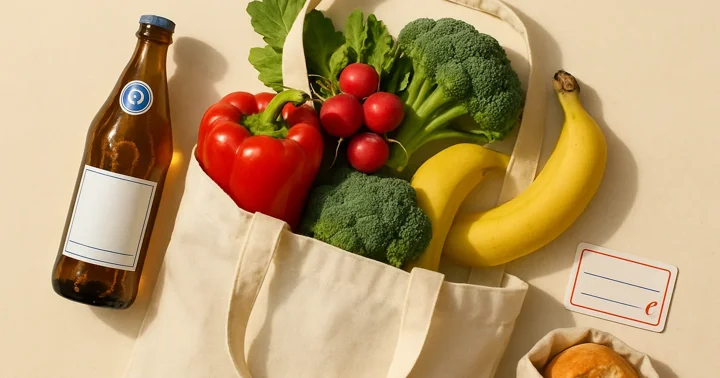
Every supermarket in Germany expects you to bring your own bag. Single-use plastic bags have been phased out at most chains, and where they exist, you pay for them. A reusable foldable bag (Tragetasche, literally “carry bag”) in your jacket pocket or backpack will save you the mild embarrassment of having to ask at the till and the minor charge on top.
Sunday Is Closed. Really.
Under the Ladenschlussgesetz (German shop closing hours law), virtually all retail shops and supermarkets are closed on Sundays and public holidays. This catches a lot of newcomers off guard. Saturday afternoons get genuinely crowded because everyone knows Sunday is off the table. Stock up before the weekend ends, or you’re limited to petrol stations and the occasional Bahnhof (train station) shop, which are legally permitted to stay open.
Markets Are Worth the Effort
Weekly markets (Wochenmärkte, meaning weekly open-air markets) run in almost every German town on set mornings, typically Tuesday, Thursday, or Saturday. They sell fresh produce, regional cheeses, bread, meat, and flowers at prices that are often competitive with supermarkets, especially for seasonal goods. Beyond the practical side, they’re genuinely enjoyable. If you want to try cheap shopping in Germany without the fluorescent-lit Discounter experience, a Wochenmarkt is a good place to start.
Online Shopping and Delivery
For clothes shopping in Germany, Zalando and AboutYou dominate online retail and both offer free returns, which matters when sizing between brands is inconsistent. For groceries, Rewe and Edeka both offer home delivery in most cities, though the service is patchier in smaller towns. Wolfsburg, for example, has decent coverage but nowhere near what you’d find in Berlin or Munich.
Practical Tips for Expats: Survive and Thrive While Shopping
A few small habits make a big difference when you’re shopping in Germany, especially in the early weeks when everything feels slightly off from what you’re used to.
Timing matters more than you’d expect. Shops fill up noticeably on Saturdays, and on Sundays almost everything is closed due to the Ladenschlussgesetz (retail closing hours law, Germany’s federal legislation restricting Sunday trading), which restricts Sunday trading across Germany. Shopping earlier in the week means better stock, shorter queues, and less frustration at the checkout. Around public holidays (Feiertage, meaning official public holidays on which most shops are legally required to close), shelves clear fast, so plan ahead.
Always carry cash. Germany still runs heavily on Bargeld (cash), and smaller shops, market stalls, and bakeries frequently don’t accept cards at all. According to the Deutsche Bundesbank’s 2024 Payment Behaviour Study, cash was used in over 51% of all point-of-sale transactions in Germany. That figure surprises most newcomers. In practical terms, it means you should carry at least €20 to €30 in cash whenever you leave the house for a shopping trip.
Bring a reusable bag every time you leave the house. Single-use plastic bags cost extra and aren’t available everywhere. A folded tote in your jacket pocket becomes second nature quickly.
Weekly markets (Wochenmärkte) are genuinely worth building into your routine, not just for fresh produce but because they’re often cheaper than supermarkets for fruit and vegetables. They’re also one of the best low-pressure environments for practising German with patient vendors.
Do German shops accept contactless or card payments everywhere?
Looking for an English-friendly bank account to manage your shopping budget in Germany? N26 offers quick setup, full English support, and a Mastercard that works across Europe. Get started (Affiliate link — we may earn a commission at no extra cost to you.)
Learn the recycling system early. Germany takes Mülltrennung (waste separation, the legally mandated system of sorting household waste into separate bins by material type) seriously, and this extends to your shopping habits. Many packaging materials, glass bottles, and plastic containers need to be sorted into the correct bins. On top of that, the Pfand (bottle deposit) system means certain bottles and cans carry a small deposit, usually 25 cents, which you get back when you return them to a machine at the supermarket. These Pfandautomaten (automated bottle return machines) are usually near the entrance. Once you spot them, you’ll use them automatically.
Get a loyalty card if you shop at the same supermarket regularly. Payback is accepted at Rewe, dm, and several other chains, and the points add up faster than you’d think. It takes about two minutes to set up and costs nothing.
One thing that catches a lot of newcomers off guard is the checkout pace. German cashiers move quickly, and there’s an unspoken expectation that you’ll pack your bag just as fast. Don’t panic if things pile up. Nobody will say anything rude, but having your payment method ready before the total appears makes the whole thing smoother. Some people bring a second bag just to scoop everything in quickly and sort it out later.
Finally, learn the word geschlossen (closed). You will encounter it at inconvenient moments, usually when you’ve walked somewhere specifically because you needed one thing. Germany’s shopping hours, while more flexible than they used to be, still operate within limits that feel restrictive if you’re coming from a country with 24-hour retail culture. Knowing the rough opening hours of your nearest shops, and keeping a small mental list of what you actually need before you go, saves a lot of wasted trips.
Why Trust liveingermany.de?
Liveingermany.de is written by people who actually live here. I moved to Germany in 2014 and have spent over a decade navigating everything from the cheapest supermarket in Germany to the bureaucracy of Anmeldung (the mandatory address registration every resident in Germany must complete within two weeks of moving). This guide on shopping in Germany draws on that firsthand experience, not recycled content.
Every piece of advice on this site is Germany-specific. When I write about the best places to shop in Germany or compare cheap shopping options across supermarket chains, I’m drawing on real weekly routines in real German cities, not generic travel tips dressed up to look local.
The wider liveingermany.de community adds another layer. Thousands of expats contribute questions, corrections, and crowd-sourced experiences each year, which keeps the practical detail sharp and current. According to Destatis, Germany’s resident foreign population reached over 13 million in 2024, and that community deserves a resource that speaks to lived reality rather than tourist brochures.
Whether you came here researching the best souvenirs from Germany, figuring out clothes shopping in Germany as a new arrival, or simply hunting for the best shopping deals, you’ll find honest, grounded answers. No fluff, no padding, no content written by someone who has never set foot in a Kaufland.
Sources
The information in this guide draws on personal experience living in Germany since 2014, combined with data from official German institutions and established expat resources. Where statistics appear, the source and year are cited inline so you can verify them directly.
Primary references used in researching this article:
- Destatis (Federal Statistical Office) — consumer prices, retail figures, and household spending data
- Statista Germany — retail market statistics and e-commerce trends
- liveingermany.de/shopping-in-germany/
- Expatica: Living in Germany
- International Living: Germany
- WeAreDevelopers: Living in Germany
- CareerFoundry: Expats in Germany
If you spot anything outdated or have a question about a specific claim, feel free to reach out through the contact page. Germany changes its retail landscape regularly, and keeping this guide accurate matters to me.
FAQ: Shopping in Germany
What are the best places to shop in Germany?
What is the cheapest supermarket in Germany?
Is shopping in Germany cheap compared to the UK or US?
Are shops open on Sundays in Germany?
What should I bring when shopping in Germany?
What are the best souvenirs from Germany?
Shopping in Germany has its own rhythm, and once you understand it, it stops feeling frustrating and starts feeling sensible. The Sunday closures exist for a reason, the discount supermarkets genuinely deliver quality, and the weekly Markt (market) in any German town is almost always worth getting up early for. My honest final tip: learn which shops in your neighbourhood close early on Saturdays, because that particular lesson tends to be learned the hungry way.

Jibran Shahid
Hi, I am Jibran, your fellow expat living in Germany since 2014. With over 11 years of personal and professional experience navigating life as a foreigner, I am dedicated to providing well-researched and practical guides to help you settle and thrive in Germany. Whether you are looking for advice on bureaucracy, accommodation, jobs, or cultural integration, I have got you covered with tips and insights tailored specifically for expats. Join me on my journey as I share valuable information to make your life in Germany easier and more enjoyable.