Cultural Differences Every Expat Should Know
Germans follow 11 unwritten social rules most expats never hear about. Know them before you arrive or risk serious awkward moments.
Germany has at least a dozen cultural differences significant enough to affect your daily life, your friendships, your working relationships, and your mental health. Most expats spend their first year stumbling through them without a map. According to Destatis, Germany is home to people from over 190 countries, and that number keeps growing. Yet the core cultural framework, the unwritten rulebook that Germans absorb over a lifetime, remains stubbornly, fascinatingly intact.
The cultural aspects that catch people off guard are rarely the dramatic ones. Nobody warns you about the silence in lifts, the complete absence of small talk at the supermarket checkout, or the fact that showing up two minutes late to a meeting earns the kind of quiet disapproval usually reserved for serious moral failures. In 2024, a colleague in Wolfsburg told me, completely without malice, that my report structure was poor. No cushioning, no apology, no “just a thought.” That is not rudeness in Germany. That is normal. It took me longer than I’d like to admit to stop reading it as a personal attack.
The Behörde (German bureaucratic authority) is one layer of this. The workplace is another. Friendships operate by a different set of rules again. Cultural awareness in Germany matters differently depending on which world you are navigating, and vague advice about Germans being “direct” or “punctual” does not actually prepare you for those real moments.
This guide covers the specific cultural differences in Germany that genuinely shape expat life. Not in the corporate seminar sense, but in the way a knowledgeable friend would explain them over a coffee. Every section is practical and Germany-specific, because general expat advice is largely useless here. The German framework rewards people who understand it and quietly frustrates those who do not. Let’s make sure you understand it.
That supermarket queue in Freiburg back in 2014 was my real orientation into German life. I was chatting to the cashier, fumbling for my card, completely oblivious to the silent pressure building behind me. Nobody said a word. Nobody had to. I had committed the cardinal sin of slowing things down, and the collective patience of that queue felt louder than any complaint would have.
One moment like that teaches you more than any guidebook. The unspoken rules in Germany are real, they carry genuine social weight, and ignoring them costs you more than you’d expect. Whether it’s the lingering preference for cash over contactless, the very specific etiquette around birthdays, or the directness that newcomers routinely mistake for coldness, the cultural landscape here catches almost every expat off guard at first.
Germany is not a monolith. According to Destatis, in 2026 around 13.9 million people living in Germany were foreign nationals, representing over 16 percent of the total population. That Vielfalt (diversity) is visible and genuine, and it shapes cities very differently from one another. Berlin, Hamburg, Frankfurt, and Munich each have their own distinct social rhythms. And if you’re wondering whether English gets you through daily life, the honest answer is: mostly yes, particularly in larger cities. Berliners in particular tend to switch to English almost reflexively. Depending entirely on it, though, will limit you socially and professionally in ways that creep up on you slowly.
This guide covers the cultural differences in Germany that actually affect expat life on the ground. Not abstract anthropology. It’s the practical stuff: how people communicate, what they expect from neighbours and colleagues, and where the invisible lines are. Think of it as the briefing I wish someone had handed me before I landed.
What we like
- German directness (direkte Kommunikation) removes a lot of the social guesswork. People rarely say one thing while meaning another, which makes trust easier to build once you adjust
- The infrastructure of daily life is genuinely reliable, from public transport schedules to bureaucratic systems that, once navigated, actually deliver
- Cultural investment pays off fast — a little effort to understand local norms builds friendships that tend to run deep and last
- Germany's legal framework strongly protects residents, including expats, from workplace discrimination and unfair treatment
What we did not like
- The adjustment period is real. German social norms can feel opaque and even unwelcoming before the logic behind them becomes clear
- Bureaucracy (Bürokratie) requires patience and the right paperwork, and mistakes in the process can cost weeks of time
- Regional variation means what works socially in Wolfsburg won't necessarily translate directly to Munich or Berlin. There's no single German playbook
Expat Challenges and Cultural Context
Punctuality is one of those cultural differences that sounds obvious until you watch it play out in real life. A colleague joining a team meeting three minutes late will be noticed. Quietly, politely, but firmly noted. Back home for most expats, three minutes late is practically on time. Nobody laughs it off here. Everyone moves on, and the message lands clearly: time is not approximate in Germany.
That dynamic captures something essential about what no guidebook fully prepares you for. The rules are real, they are enforced, and people genuinely expect you to know them. An Indian software developer I met through an expat group described almost this exact experience during her first week at a German tech firm. A Canadian friend spent months interpreting German directness as personal hostility before he realised it was simply how people communicate here. Neither of them had done anything wrong. They just hadn’t been briefed on the cultural logic that shapes everyday interaction.
The challenges are specific and worth naming directly. Formality persists longer than most expats expect. Colleagues can use Sie (the formal “you”) and last names for years before switching to the informal Du, and pushing that transition too early reads as presumptuous. The German relationship with privacy means personal questions from a near-stranger feel intrusive in ways that are hard to explain to someone raised in a more open culture. Sundays are genuinely quiet. Shops are closed, loud outdoor activity is frowned upon, and this is protected by the Feiertagsgesetz (public holiday and Sunday trading law), which varies slightly by Bundesland. Cash still matters more than many newcomers expect, particularly outside major cities. And making real friends takes time. Real time.
According to a 2024 InterNations survey, Germany ranked among the lower third of countries worldwide for ease of settling in socially, with expats consistently citing difficulty making local friends and reading social cues. That matches what I hear from people in Wolfsburg too. The experience is common enough that it has its own shorthand in expat communities.
None of this makes Germany unwelcoming. It makes it consistent. Once you understand the logic behind the norms, the country becomes surprisingly readable. Lived experience and a willingness to observe before you react will take you further than any culture training session. The cultural differences here are not obstacles so much as a system. Learn the system, and things start to click.
Understanding the Core Cultural Differences
Every expat I’ve spoken to over the years describes the same experience: you arrive thinking you understand Germany because you’ve read a bit about it, and then within the first two weeks something catches you completely off guard. That Ruhezeit (legally protected quiet hours, typically between 10 pm and 6 am and all day Sunday) moment in Freiburg still shapes how I think about everything that follows. What looks like social rigidity from the outside is almost always a deeply held value system underneath.
What follows are the cultural differences that actually matter day-to-day, drawn from a decade of living here and some genuinely embarrassing trial and error.
Punctuality Is Not Optional
Germans don’t treat time as a rough guide. If you’re invited to dinner at 7 pm, arriving at 7:10 pm is already awkward and 7:20 pm requires a proper explanation. This applies equally to business meetings, doctor’s appointments, and casual plans with friends. No passive aggression accompanies it either. The time was agreed, the time is the time, and everyone simply proceeds accordingly.
The phrase “Ordnung muss sein” runs deep here. Order isn’t bureaucratic pedantry for its own sake. It is a genuine social value. Train schedules, supermarket queues, court procedures — everything has a structure and people expect it to be honored. If you are running late, send a message. It won’t entirely erase the awkwardness, but it signals that you understand the social contract exists.
Rules Are Rules. Seriously.
Cultural awareness in Germany begins with accepting that rules are not suggestions you can quietly ignore. Recycling alone requires separating waste into Restmüll (general household waste), Biomüll (organic waste), Papiertonne (paper and cardboard), and the Gelber Sack (yellow bag for packaging with the Green Dot symbol). Your neighbors will notice if you consistently get it wrong, and someone will politely say something.
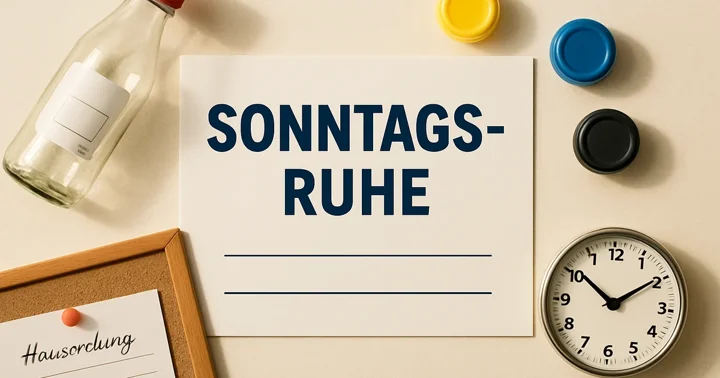
Sundays are protected in a way that still surprises newcomers. Power tools, loud music, and lawn mowing are restricted under Sonn- und Feiertagsruhe (Sunday and public holiday quiet laws), which are enforced at the state level across Germany. A stranger will remind you to wait at a red pedestrian light even on a completely empty road at midnight, not out of spite, but because that is simply what you do. According to Destatis, approximately 84.4 million people live in Germany as of 2026, and around 13.9 million of them were born abroad. Even diverse, newer communities adapt to these norms quickly because the social expectation is clear and consistent.
Directness Is a Feature, Not a Bug
German communication is direct in a way that genuinely surprises people from more indirect cultures, particularly British, American, or Southeast Asian expats. Feedback at work is specific and honest. A colleague saying “this report has three problems” is not being rude. That is considered more respectful than vague reassurance that leaves you guessing. Once you recalibrate to that, it becomes one of the things you actually appreciate about working here.
Social warmth and directness are not mutually exclusive in German culture, but the warmth takes longer to surface. Germans tend to maintain a clear boundary between acquaintances and real friends. This distinction is sometimes described as the difference between Bekannte (acquaintances) and Freunde (genuine friends). Breaking into the second category takes time and patience. Once you are there, the loyalty is genuine.
Is it really true that Germans will correct a stranger for jaywalking?
What exactly counts as a noise violation during Ruhezeit?
Practical Tips for Expats Navigating German Culture
The hardest part of settling in Germany is rarely what you expect. You can research the Anmeldung (mandatory address registration at the local Bürgeramt) process, prep for the paperwork, and memorise your recycling schedule. What catches most people off guard is the invisible social layer. These are the unspoken expectations that nobody writes down but everyone seems to know.
Punctuality matters more than you probably expect. Germans do not treat five minutes late as a minor thing, especially in professional settings. Arriving a few minutes early is the baseline, not a bonus. The same discipline applies to planning around Sundays. Almost every shop closes on Sundays and public holidays under the Ladenschlussgesetz (shop closing law), and that is not changing. After more than a decade here, I still batch my grocery runs on Saturday mornings without thinking about it.
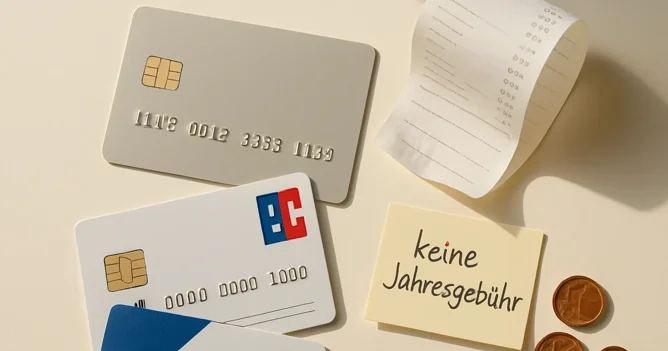
Cash remains relevant in ways that genuinely surprise expats from countries where contactless payment is universal. Plenty of bakeries, market stalls, and smaller restaurants across Germany still operate cash-only. According to the Deutsche Bundesbank’s 2024 payment behaviour study, cash accounted for around 51% of point-of-sale transactions in Germany by volume, which is higher than almost any comparable European economy. Carry some with you. It is not optional in the way it might be back home.
On language, you will get by with English in Berlin and other major cities, but that picture changes quickly outside urban centres. covers this in more depth, but the short version is that learning even basic German earns you real goodwill. People notice the effort in a way that simply does not happen in more tourist-facing countries. Even a confident “Ich hätte gerne…” (I would like…) at a bakery counter shifts the dynamic noticeably.
The Sie and du distinction is one of those cultural aspects of German life that takes a while to internalise. Sie is the formal “you” used with strangers, colleagues, and in official settings. Du is informal, used with friends, family, and increasingly in younger or startup workplaces. The rule that matters most: switching to du is an offer the other person makes, not something you initiate. Jumping to du too early reads as presumptuous rather than friendly, especially with older Germans or anyone in a professional context.
Birthday etiquette is another one that trips people up. Wishing someone a happy birthday before the actual date is considered bad luck in Germany, and genuinely so, not just mildly awkward. Wait until the day itself. The same caution applies to congratulating someone on a pregnancy before they have announced it publicly.
Is it rude to show up exactly on time in Germany, or should you arrive early?
Do German workplaces still use formal Sie between colleagues?
Live in Germany’s Mission: Expert Guidance for Expats
This site exists because of a gap I couldn’t find my way around when I first arrived. The Anmeldung (mandatory address registration at the local Bürgeramt) paperwork was getting rejected, and every resource I found was either years out of date, painfully generic, or written by someone who had clearly never dealt with a German bureaucrat in person. So I built the resource I needed.
That gap has only grown. According to Destatis, Germany’s foreign-born population exceeded 16 million in 2024, and the number of people arriving each year with genuine, practical questions keeps rising. More expats means more demand for guidance that is actually grounded in experience rather than assembled from other websites.
What liveingermany.de is not is a content factory. The guides here are written from real experience living in Germany, cross-referenced with official sources including the Bundesagentur für Arbeit (Federal Employment Agency), BAMF (Federal Office for Migration and Refugees), and Destatis. Cultural differences in Germany are also deeply regional. How things work in a city like Wolfsburg operates quite differently from Hamburg or Munich, and the guides here flag those regional distinctions wherever they actually matter to your daily life.
Beyond cultural adjustment, the site covers the full landscape of expat life: Krankenversicherung (statutory health insurance, which covers around 90% of residents in Germany), tax returns, flat hunting, and the German workplace. These are not abstract topics. They are the things that determine whether your first year here feels manageable or exhausting.
Germany rewards people who take the time to understand it. The rules are real, the systems are specific, and knowing how they work puts you ahead in ways that genuinely matter, whether that is getting your rental deposit back, navigating your first Steuererklärung (annual tax return), or simply building relationships with colleagues who communicate very differently than you might expect. That is the whole point of this site. Not to overwhelm you, but to make sure you are working with accurate, current information when the moment counts.
Frequently Asked Questions
What cultural differences should expats expect in Germany?
Is it hard to adjust to German culture as an expat?
Do people speak English in Germany, and do I need to learn German?
How do expats make friends in Germany?
Are there cultural rules around money and tipping in Germany?
Sources & Further Reading
Writing this guide pulled from ten-plus years of living here, a fair amount of trial and error, and more than a few moments where I completely misread a situation. Personal experience only takes you so far, though, so I also leaned on sources I trust when verifying facts, statistics, and broader cultural patterns.
According to Destatis, Germany’s population in 2026 includes over 13 million people with a Migrationshintergrund (migration background). That number matters because it tells you something the headlines often miss: cultural diversity in Germany is not a recent experiment. This country has been absorbing, negotiating, and sometimes clumsily navigating different cultures for decades. You are arriving into something already in motion, not starting something new.
For anyone who wants to go deeper on any of the topics covered here, these are the sources worth your time:
- — my companion piece to this article, with more on the emotional side of adjusting
- Habyt: Cultural Differences to Be Aware of in Germany
- Ottonova Expat Guide: Cultural Differences in Germany
- Studying in Germany: German Culture Overview
- Lingoda: Mistakes Expats Should Avoid in Germany
My honest final thought: the biggest cultural differences in Germany are not really about rules. They are about expectations. Germans expect Direktheit (directness), reliability, and a basic respect for shared space and time. Once I stopped reading those expectations as coldness and started seeing them as a form of clarity, life here genuinely got easier. That shift did not happen overnight. Hopefully this article shortens the gap for you.
What are the biggest cultural differences in Germany for expats?
Is Germany friendly to foreigners and expats?
Do I need to speak German to live in Germany?
How do Germans feel about noise and shared spaces?
What is considered rude in German culture?
How long does it take to feel settled as an expat in Germany?

Jibran Shahid
Hi, I am Jibran, your fellow expat living in Germany since 2014. With over 11 years of personal and professional experience navigating life as a foreigner, I am dedicated to providing well-researched and practical guides to help you settle and thrive in Germany. Whether you are looking for advice on bureaucracy, accommodation, jobs, or cultural integration, I have got you covered with tips and insights tailored specifically for expats. Join me on my journey as I share valuable information to make your life in Germany easier and more enjoyable.